

Migraines and Vision
How migraines affect vision, including aura, visual disturbances, and eye symptoms. Learn about types, triggers, and treatment options.
Migraines are more than just headaches-they're a neurological condition that frequently affects vision. Visual aura, sensitivity to light, and eye pain are common migraine symptoms. Understanding the visual aspects of migraines helps with diagnosis and management.
Key Takeaways
- Migraines frequently cause visual symptoms including aura, light sensitivity, and eye pain
- Visual aura affects 25-30% of migraine sufferers-usually before headache begins
- Aura typically lasts 20-60 minutes and does not cause permanent vision damage
- Light sensitivity (photophobia) is one of the most common migraine symptoms
- Treatment includes both acute and preventive medications
Visual Symptoms in Migraine
Migraine Aura
Visual aura is the most common type of migraine aura:
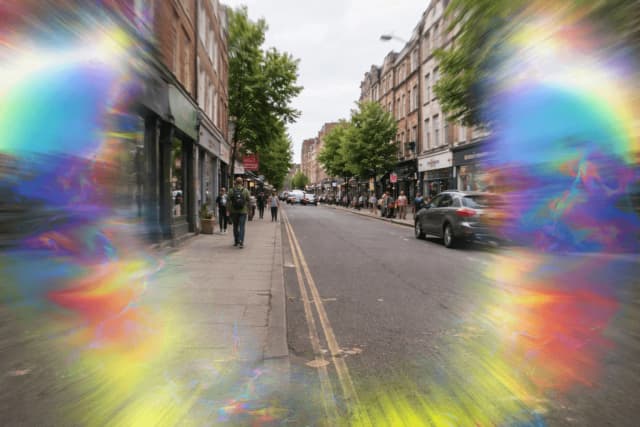
Classic visual aura features:
- Zigzag lines (fortification spectra)-look like the walls of a medieval fort
- Flashing or flickering lights (scintillations)
- Blind spots (scotomas) that may expand
- Shimmering or sparkling visual effects
- May start small and expand across visual field
Timing:
- Usually lasts 20-60 minutes
- Typically precedes headache by 5-60 minutes
- Headache may not follow (acephalgic migraine)
- Usually affects both eyes (same visual field area)
Photophobia (Light Sensitivity)
- One of the most characteristic migraine symptoms
- May occur before, during, and after headache
- Normal light feels painfully bright
- Patients seek dark rooms
- Can persist between migraines in some people
Other Visual Symptoms
- Blurred vision during attack
- Eye pain (though often not the eye itself)
- Visual snow or static
- Trails or afterimages
- Difficulty focusing
Types of Migraine with Visual Features
Migraine with Aura
- Visual symptoms precede or accompany headache
- Aura fully reversible
- Most common aura type is visual
Migraine without Aura
- No warning symptoms
- May still have photophobia during attack
Acephalgic Migraine (Migraine Aura without Headache)
- Visual aura without headache
- More common in older adults
- Can be confused with TIA-needs evaluation
Retinal Migraine
Retinal migraine affects only ONE eye (true aura typically affects both eyes in the same visual field area). Symptoms include:
- Monocular visual loss
- Flickering
- Scotoma in one eye only
This is rare and needs careful evaluation to rule out other causes.
Vestibular Migraine
- Vertigo and dizziness as primary feature
- May have visual motion sensitivity
- Often without significant headache
Triggers
Common Migraine Triggers
Visual/Environmental:
- Bright or flickering lights
- Glare
- Screen time
- Fluorescent lighting
- Visual patterns (stripes, checkerboards)
Sleep:
- Too little sleep
- Too much sleep
- Irregular sleep schedule
Dietary:
- Skipping meals
- Dehydration
- Alcohol (especially red wine)
- Caffeine (too much or withdrawal)
- Certain foods (aged cheese, processed meats)
Hormonal:
- Menstruation
- Hormonal contraceptives
- Menopause changes
Other:
- Stress (or letdown after stress)
- Weather changes
- Strong odors
- Neck tension
When Visual Symptoms Require Urgent Evaluation
Seek immediate care if you experience:
- First-ever visual aura (especially over age 40)
- Aura lasting more than 60 minutes
- Visual symptoms in only one eye
- Sudden vision loss
- Aura without subsequent headache (first time)
- Visual symptoms different from your usual aura
- Associated weakness, numbness, or speech difficulty
These may indicate stroke or other serious conditions.
Diagnosis
Clinical History
Key features suggesting migraine:
- Episodic nature
- Typical aura characteristics
- Family history of migraine
- Response to migraine treatment
- Associated symptoms (nausea, photophobia)
When Testing Is Needed
- Atypical features
- First presentation
- Change in pattern
- Older age at onset
- Prolonged symptoms
- Neurological abnormalities
Tests may include:
- MRI brain
- Visual field testing
- Ophthalmologic examination
Treatment
Acute Treatment (During Attack)
Over-the-counter:
- NSAIDs (ibuprofen, naproxen)
- Acetaminophen
- Combination products (Excedrin)
- Best taken early in attack
Prescription acute treatments:
- Triptans (sumatriptan, rizatriptan)-migraine-specific
- Zavzpret (zavegepant)-nasal spray CGRP antagonist
- Nurtec (rimegepant)-oral CGRP antagonist
- Anti-nausea medications
- Ergotamines (less commonly used)
Non-medication:
- Dark, quiet room
- Cold compress
- Sleep
- Hydration
Preventive Treatment
For frequent migraines (4+ per month or significant disability):
Medications:
- Beta-blockers (propranolol)
- Antidepressants (amitriptyline, venlafaxine)
- Anti-seizure medications (topiramate, valproate)
- CGRP antibodies (erenumab, fremanezumab, galcanezumab)
- Botox (onabotulinumtoxinA) for chronic migraine
Lifestyle:
- Regular sleep schedule
- Regular meals
- Stress management
- Regular exercise
- Trigger avoidance
For Photophobia
- FL-41 tinted lenses (rose-colored tint)
- Sunglasses outdoors
- Adjusting screen brightness
- Avoiding fluorescent lighting
- Gradual light exposure (avoid dark adaptation)
Living with Migraines
Tracking
Keep a headache diary noting:
- Date and duration
- Visual symptoms
- Potential triggers
- Treatments tried and effectiveness
- Impact on function
Workplace Accommodations
- Adjustable lighting
- Screen filters
- Quiet space during attacks
- Flexible scheduling when needed
When to See a Specialist
- Migraines affecting quality of life
- Frequent attacks (more than 4 per month)
- Acute medications not working
- Using acute medications too often (risk of rebound)
- Unusual or changing symptoms
Frequently Asked Questions
Can migraine aura cause permanent vision damage?
No, migraine aura does not cause permanent vision damage. The visual disturbances are temporary and fully reversible. However, visual symptoms that don't fit typical aura patterns should be evaluated.
How is migraine aura different from eye floaters?
Migraine aura consists of flickering zigzag lines that typically expand and move across your visual field over 20-60 minutes, affecting both eyes in the same visual field area. Floaters are spots or strings that drift when you move your eyes, persist constantly, and are more noticeable against bright backgrounds.
Why does light hurt during a migraine?
Photophobia during migraine involves hypersensitivity of the visual pathways. The trigeminal nerve (pain nerve) and visual system interact during migraine, making normal light stimuli feel painful.
Can I have aura without headache?
Yes, this is called acephalgic migraine or migraine aura without headache. It becomes more common with age. First-time aura without headache, especially in older adults, should be evaluated to rule out other causes like TIA.
Are visual migraines dangerous?
Typical migraine aura is not dangerous and doesn't cause lasting harm. However, migraine with aura is associated with increased stroke risk. Estrogen-containing contraceptives are generally contraindicated in migraine with aura because the combination significantly raises stroke risk. Women who smoke face the highest risk. Discuss risk factors and contraceptive options with your doctor.
When should I worry about visual symptoms?
Worry if symptoms are sudden and different from your usual pattern, last more than 60 minutes, affect only one eye, or are accompanied by weakness, numbness, or speech problems. When in doubt, seek evaluation.
References
Medical Disclaimer: This information is for educational purposes only and does not replace professional medical advice, diagnosis, or treatment. If you experience unusual visual symptoms or changes in your migraine pattern, please consult a qualified healthcare provider.
Sources:
- Headache Classification Committee of the International Headache Society. The International Classification of Headache Disorders, 3rd edition. Cephalalgia. 2018;38(1):1-211.
- American Migraine Foundation. Visual Disturbances: Related to Migraine or Not?.
- Charles A. The pathophysiology of migraine: implications for clinical management. Lancet Neurol. 2018;17(2):174-182.
- Burstein R, et al. Migraine: multiple processes, complex pathophysiology. J Neurosci. 2015;35(17):6619-6629.
- MedlinePlus. Migraine.