

Patient education index
Patient Guides
These guides are designed to help you navigate your neuro-ophthalmology care, from urgent symptoms to first visits, dry eye decisions, and living well with a diagnosis.
27 guides reviewed by ophthalmology clinicians
Emergency & Urgent Care
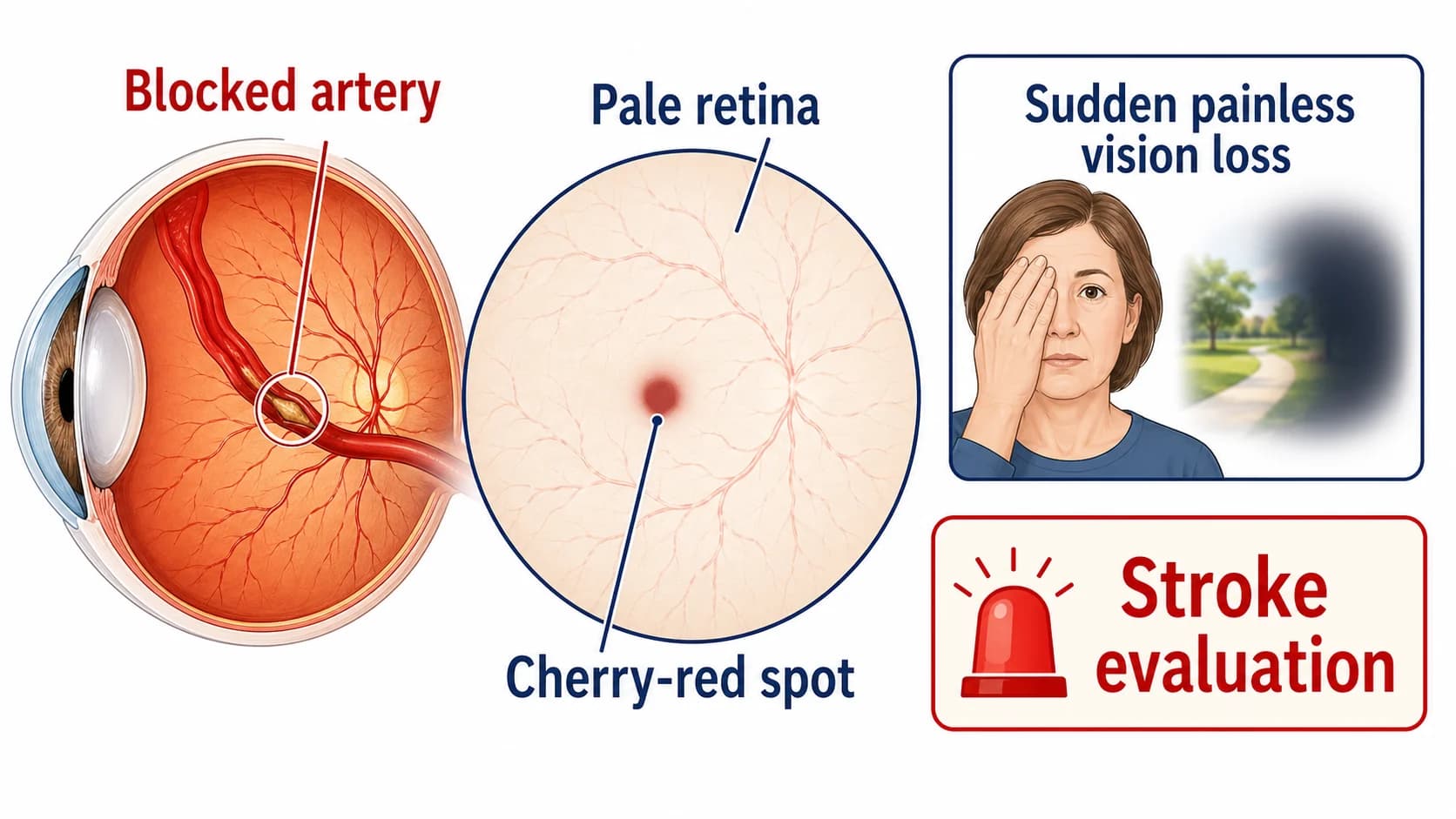
Start here for sudden vision loss, eye-stroke warning signs, severe headache with visual change, and symptoms that should not wait.
Sudden Severe Headache with Vision Change - Could This Be a Stroke?
When a headache combined with vision change is a medical emergency. The conditions to think about, the warning signs, and what to do in the first hour.
Eye Symptoms After 50 - Giant Cell Arteritis Warning Signs
Warning signs of giant cell arteritis in patients over 50, including when new eye symptoms need immediate treatment.
Sudden Vision Loss Emergency Guide - When to Seek Immediate Care
Sudden vision loss can be a medical emergency. Learn when to call 911, go to the ER, or contact your doctor, and what conditions require urgent treatment.
Neuro-Ophthalmology Conditions
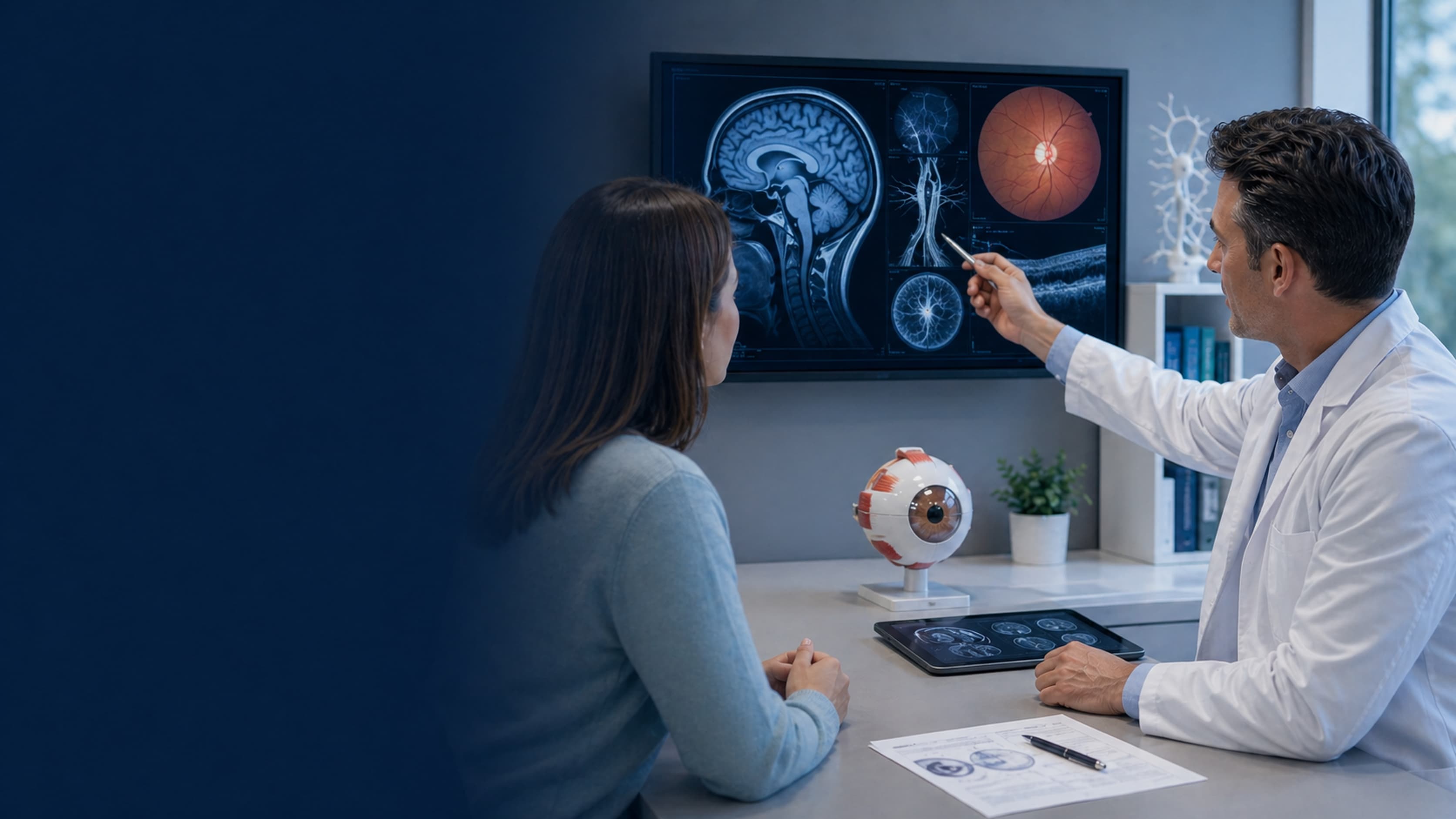
Guides for optic nerve, double vision, pupil, thyroid eye disease, IIH, and other brain-eye conditions.
IIH - Diagnosis to Long-Term Management
Idiopathic intracranial hypertension diagnosis, acetazolamide treatment, vision monitoring, weight management, and when surgery may be needed.
Ocular Myasthenia Gravis - Management and Warning Signs
Managing ocular myasthenia gravis symptoms, medication timing, warning signs of generalization, and emergency preparedness.
Navigating Double Vision - From Diagnosis to Treatment
Diplopia causes, diagnostic workup, treatment options from prisms to surgery, and practical safety steps while vision is doubled.
Optic Neuritis and MS Risk - Understanding Your Diagnosis
Diagnosed with optic neuritis? Understand the connection to multiple sclerosis, what MRI findings mean for your risk, and treatment decisions to consider.
Thyroid Eye Disease - Active Treatment and Rehabilitation Guide
Thyroid eye disease phases, teprotumumab treatment, smoking cessation, monitoring, and the surgical rehabilitation sequence.
Understanding Pupil Abnormalities - When Unequal Pupils Need Attention
Noticed unequal pupils? Learn when anisocoria is normal vs concerning, conditions that affect pupils, and red flags requiring emergency care.

Post-Diagnosis & Living With
Practical next steps after a diagnosis, including adapting to vision changes and making treatment plans feel manageable.
Adapting to Vision Loss - Rehabilitation and Independence Guide
Low vision rehabilitation, adaptive technology, daily living strategies, and support resources for patients with permanent vision loss.
Am I Going to Go Blind?
Which eye conditions can threaten vision, which are treatable, and what to do now to protect sight long-term.
Long-Term Steroid Treatment - Monitoring and Safety
Managing chronic steroid therapy for eye conditions, including side effect monitoring, health checks, and safe tapering.

Preparing for Care
What to expect before appointments, imaging, reports, and follow-up decisions.
Your First Neuro-Ophthalmology Appointment - What to Expect
How to prepare for a first neuro-ophthalmology visit, what testing may involve, what records to bring, and which questions to ask.
How Often Should I Get an Eye Exam?
How often to get an eye exam based on age, risk factors, symptoms, health history, and existing eye disease.
Understanding Your MRI
MRI scans for eye and brain conditions: preparation, contrast, claustrophobia planning, and how results are reported.
Vision Concerns & Screening
Everyday vision questions about cataracts, glasses, contacts, screening schedules, driving, and visual symptoms.
Am I Getting Cataracts?
Cloudy vision, glare, night driving difficulty, cataract types, when surgery is needed, and what to expect from the procedure.
Driving with Vision Changes - When to Talk to Your Doctor
When vision changes affect driving, what the legal vision standards are, and how to make the conversation about driving cessation as constructive as possible.
GLP-1 Medications and Your Eyes: What Patients Need to Know
How GLP-1 medications like Ozempic and Wegovy may affect diabetic retinopathy, IIH research, rare optic nerve safety signals, and eye exam planning.
How to Choose Eye Drops for Dry Eyes
How to choose dry eye drops by preservative status, thickness, contact lens use, dosing frequency, and when prescription treatment may be needed.
How to Read Your OCT Report
Decode your OCT printout - what RNFL, GCC, BMO, the green/yellow/red colors, and the cross-section images actually mean for your eye.
How to Read Your Visual Field Report
What the numbers, gray squares, and pattern boxes on your visual field printout actually mean - a patient-friendly walk through a Humphrey or Octopus report.
What About Floaters and Flashes?
New floaters, flashes of light, or cobwebs in your vision: common causes, retinal warning signs, and when to seek urgent care.

Dry Eye Suite
A focused set of dry eye resources, from first diagnosis to prescription drops, systemic causes, and treatment myths.
Comparing Dry Eye Prescription Drops
Compare common prescription dry eye treatments by mechanism, onset, dosing, side effects, and cost.
Dry Eye Myths vs Facts
Common dry eye misconceptions: whether dry eye can damage vision, why dry eyes water, whether it is permanent, and which treatments help.
Just Diagnosed with Dry Eye - What Now?
What a new dry eye diagnosis means, common treatment options, home care, and when to escalate beyond over-the-counter drops.
Medical Conditions That Cause Dry Eye
Systemic diseases that cause or worsen dry eye - Sjogren's syndrome, thyroid disease, diabetes, lupus, rosacea, and neurological conditions explained.
Medications That Cause Dry Eye
Prescription and OTC medications that can cause or worsen dry eyes, including antihistamines, antidepressants, Accutane, and beta-blockers.