

Blurred Vision
When things look fuzzy or out of focus, it may signal anything from needing new glasses to a serious neurological condition. Learn about the causes and when to seek care.
Blurred vision can mean softened letters, less distinct faces, or street signs that no longer come into focus. In many cases the cause is straightforward - glasses, contact lenses, dry eye, or screen-related fatigue. New blur still deserves medical attention, especially when it is sudden, one-sided, painful, or associated with headache, double vision, or other neurological symptoms.
Key Takeaways
- Blur is a symptom, not a diagnosis-the cause can be as simple as a prescription change or as serious as an optic nerve problem
- A sudden one-eye blur should not be watched for a week; it needs prompt evaluation
- Pain, headache, double vision, new floaters, or weakness change the urgency
- Routine eye exams can detect early eye disease before vision changes become obvious
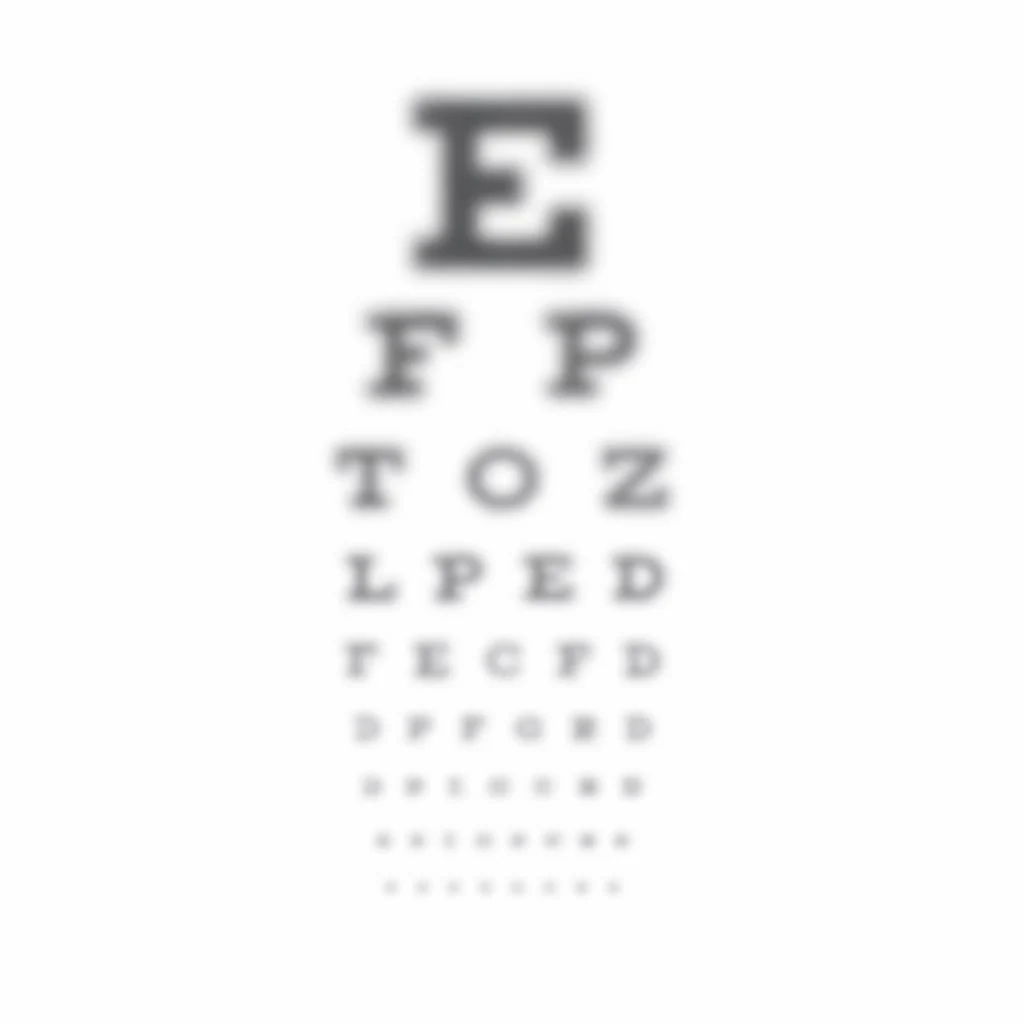
What Blurred Vision Feels Like
People use different words for blur. In clinic, the exact description matters:
- Objects appearing fuzzy or out of focus at certain distances
- Difficulty reading small print or seeing detail
- Need to squint to see clearly
- Halos or glare around lights
- Gradual worsening over weeks, months, or years
- Sudden onset of blurring in one or both eyes
- Vision that fluctuates throughout the day
- Difficulty seeing in dim lighting
- Eye strain or fatigue after visual tasks
Common Causes
Refractive Errors (Most Common)
- Myopia (nearsightedness)-distant objects appear blurry
- Hyperopia (farsightedness)-close objects appear blurry
- Astigmatism-irregular cornea shape causing distortion
- Presbyopia-age-related difficulty focusing on near objects (typically after age 40)
Eye Conditions
- Cataracts-clouding of the eye's natural lens
- Dry eye syndrome-insufficient tear production
- Corneal problems-scarring, swelling, or irregularities
- Macular degeneration-deterioration of central retina
- Diabetic retinopathy-blood vessel damage from diabetes
- Glaucoma-optic nerve damage (usually affects peripheral vision first)
Neuro-Ophthalmologic Causes
- Optic neuritis-inflammation of the optic nerve
- Papilledema-swelling of the optic disc from increased brain pressure
- Optic neuropathy-damage to the optic nerve from various causes
- Multiple sclerosis-can cause episodes of blurred vision
- Brain tumors or lesions-affecting visual pathways
- Stroke-affecting visual processing areas
Other Medical Causes
- Uncontrolled diabetes causing lens swelling
- Medication side effects
- Migraine (temporary visual disturbance)
- High blood pressure
When to Seek Emergency Care
Seek immediate medical attention if blurred vision occurs with:
- Sudden vision loss or blackout in one or both eyes
- Severe headache, especially "worst headache of life"
- Eye pain, especially with redness
- Flashing lights or new floaters
- Curtain or shadow coming across vision
- Double vision
- Weakness or numbness on one side of body
- Difficulty speaking or understanding speech
- Recent head trauma
These may indicate stroke, retinal detachment, acute glaucoma, or other emergencies.
What You'll Be Asked in Clinic
The history helps separate glasses-related blur from retina, cornea, optic nerve, and brain causes.
About the symptoms:
- When did the blurring start-suddenly or gradually?
- Does it affect one eye, both eyes, or vision overall?
- Is it constant or does it come and go?
- Is near vision, distance vision, or both affected?
- Does it change with blinking or using eye drops?
- Any associated pain, headache, or other symptoms?
About your health:
- Do you wear glasses or contact lenses?
- When was your last eye exam?
- Do you have diabetes, high blood pressure, or autoimmune conditions?
- What medications are you taking?
- Any family history of eye disease?
How Blurred Vision Is Diagnosed
Comprehensive Eye Examination
- Visual acuity testing-reading the eye chart at various distances
- Refraction-determining if glasses would help
- Slit-lamp examination-detailed view of front eye structures
- Dilated fundus exam-viewing the retina and optic nerve
- Intraocular pressure-checking for glaucoma
- Pupil examination-assessing nerve function
Additional Testing May Include
- Optical coherence tomography (OCT)-detailed imaging of retina and optic nerve
- Visual field testing-mapping peripheral vision
- MRI of brain and orbits-if neurological cause suspected
- Blood tests-checking for diabetes, inflammation, or other conditions
Treatment Options
There is no single "blurred vision treatment." Management depends on the cause:
For Refractive Errors
- Updated glasses or contact lens prescription
- Refractive surgery options (LASIK, PRK)
For Eye Conditions
- Cataract surgery when visually significant
- Treatment for dry eye (artificial tears, prescription drops)
- Management of retinal conditions
- Glaucoma treatment (drops, laser, or surgery)
For Neurological Causes
- IV steroids for optic neuritis
- Treatment of underlying condition (MS, tumor, etc.)
- Management of intracranial pressure if elevated
- Stroke treatment and prevention
For Medical Conditions
- Blood sugar control for diabetes
- Blood pressure management
- Adjusting medications that may cause blurring
Frequently Asked Questions
Can blurred vision go away on its own?
Sometimes. Blur from fatigue, dry eye, or a long screen day can clear. But new blur that sticks around, keeps coming back, or affects only one eye should be checked so treatable causes are not missed.
Does blurred vision mean I need glasses?
Not necessarily. Refractive error is common, but blur also comes from dry eye, cataract, retinal disease, optic nerve disease, medications, and more. A full eye exam sorts out whether glasses are actually the answer.
Can screen time cause permanent blurred vision?
Screen use can make vision fluctuate because of reduced blinking, dry tear film, and tired focusing muscles. It does not usually cause permanent eye damage. The 20-20-20 rule is still useful: every 20 minutes, look about 20 feet away for 20 seconds.
Why is my vision blurry only at certain times?
Fluctuating blur can indicate dry eye (worse later in day), blood sugar changes (diabetes), medication effects, or conditions like myasthenia gravis that worsen with fatigue.
Is blurred vision a sign of stroke?
It can be. Sudden vision changes, especially with other neurological symptoms, require immediate evaluation. However, most blurred vision has less serious causes.
How often should I get my eyes checked?
Adults should have comprehensive eye exams every 1-2 years, more frequently if you have diabetes, high blood pressure, or a family history of eye disease.
References
Medical Disclaimer: This information is for educational purposes only and does not replace professional medical advice, diagnosis, or treatment. If you have concerns about blurred vision or any symptoms, please consult a qualified healthcare provider.
Sources:
- American Academy of Ophthalmology. Blurry Vision.
- National Eye Institute. Refractive Errors.
- MedlinePlus. Vision Problems.