
Pink Eye vs Allergies
Learn how to tell if your red, itchy eyes are from infectious pink eye or allergies. Compare symptoms, discharge, and treatment for each.
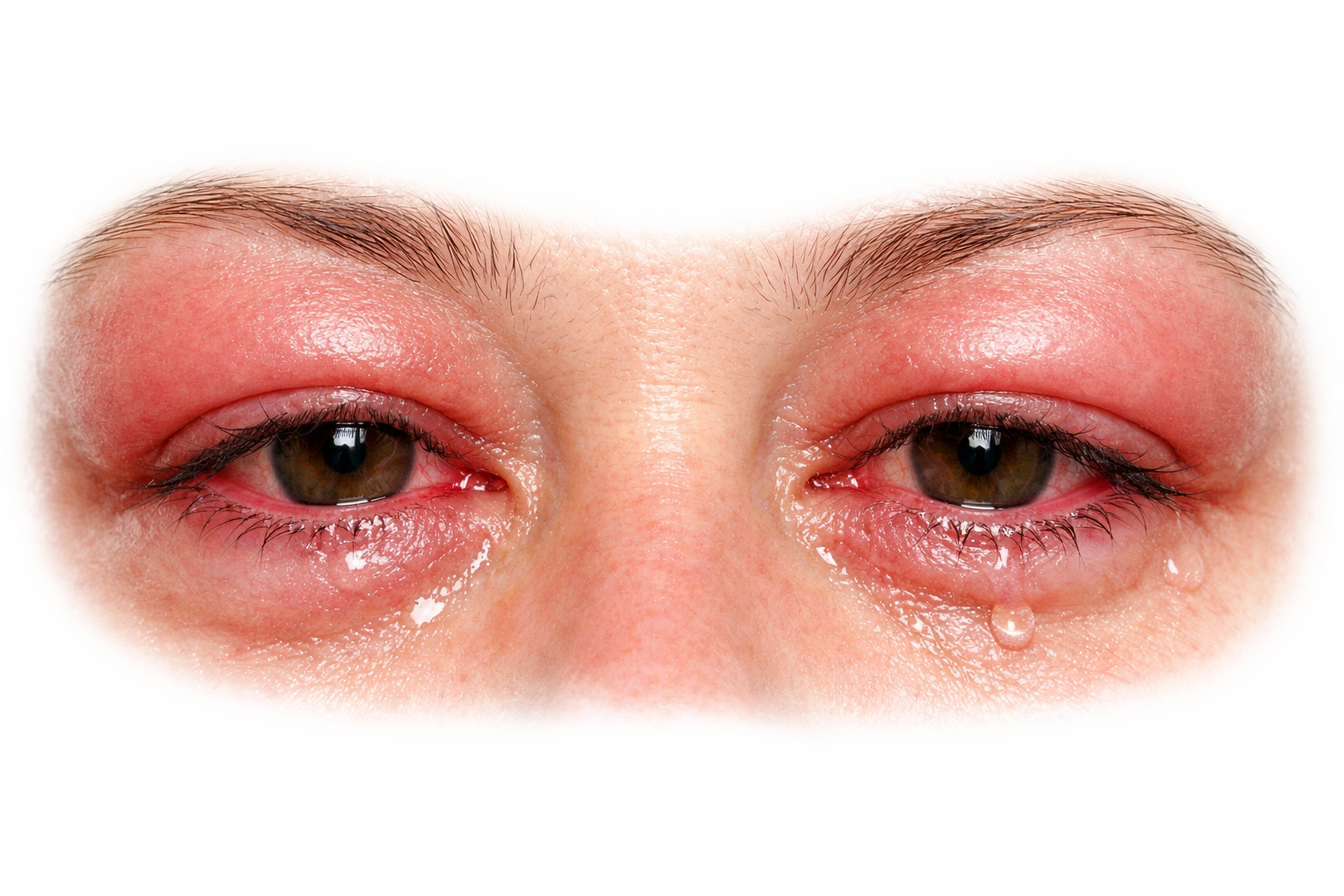
Red, itchy, watery eyes can be caused by an infection or by allergies—and telling the difference matters for treatment. Infectious conjunctivitis (viral or bacterial) is contagious and may need medical treatment, while allergic conjunctivitis is not contagious and responds to antihistamines and allergen avoidance. This guide explains how to distinguish the two so you can take the right steps.
Key Takeaways
- Intense itching is the hallmark of allergic conjunctivitis—infections cause irritation but less itch
- Both eyes equally affected strongly suggests allergies; one eye first suggests infection
- Thick, colored discharge points to bacterial infection; clear, watery discharge can be either viral or allergic
- Seasonal pattern or known allergy triggers suggest allergies
- Cold symptoms (sore throat, runny nose, fever) alongside pink eye suggest viral infection
- Allergic pink eye is never contagious—you don't need to isolate
Why This Matters
The distinction between infection and allergy determines:
- Whether you're contagious (infection: yes; allergy: no)
- What treatment you need (antibiotics for bacterial, supportive care for viral, or antihistamines for allergic)
- Whether you should stay home from work or school
- How long symptoms will last and how to manage them
For a broader comparison of all three types, see our guide on bacterial vs viral vs allergic pink eye.
Side-by-Side Comparison
| Feature | Allergic Conjunctivitis | Infectious Pink Eye |
|---|---|---|
| Itching | Intense—the hallmark | Mild or absent |
| Eyes affected | Both equally | Often one first |
| Discharge | Clear, watery, or stringy | Watery (viral) or thick yellow-green (bacterial) |
| Contagious | No | Yes (especially viral) |
| Pattern | Seasonal or triggered by exposure | No seasonal pattern |
| Associated symptoms | Sneezing, nasal congestion, itchy throat | Cold symptoms (viral) or isolated eye symptoms (bacterial) |
| Eyelids | Puffy, swollen | Stuck shut with discharge (bacterial), swollen (viral) |
| Duration | While exposed to allergen | 1–3 weeks (viral), 5–7 days (bacterial with treatment) |
Signs That Point to Allergies
The following features strongly suggest allergic conjunctivitis:
- Intense itching that dominates the symptom picture
- Both eyes equally and simultaneously affected
- Seasonal timing — symptoms flare during spring (tree pollen), summer (grass), or fall (ragweed)
- Known allergy history — you have asthma, eczema, or hay fever
- Accompanying allergy symptoms — sneezing, runny nose, itchy throat
- Trigger exposure — symptoms start after exposure to pets, dust, mold, or going outdoors
- No thick discharge — secretions are clear and watery or stringy
- Responds to antihistamines — symptoms improve with over-the-counter allergy drops
Signs That Point to Infection
These features suggest viral or bacterial conjunctivitis:
- One eye affected first, then possibly spreading to the other
- Thick, colored discharge (especially yellow-green) — strongly suggests bacterial
- Eyelids stuck together in the morning from dried discharge
- Recent contact with someone who had pink eye
- Cold or flu symptoms alongside the red eye — suggests viral
- Swollen lymph node in front of the ear — classic for viral
- No seasonal pattern — symptoms started suddenly without an obvious trigger
- Light sensitivity or photophobia — more common with infection
What About Both at Once?
It's possible to have both allergies and an infection simultaneously:
- Rubbing itchy, allergic eyes can introduce bacteria, causing a secondary infection
- A person with chronic allergies may develop viral conjunctivitis independently
- If your symptoms don't fit neatly into one category, see your eye doctor
Clue for dual causes: If you started with typical allergy symptoms (bilateral itching, clear discharge) and then developed thick, yellow discharge in one eye, you may have developed a bacterial infection on top of your allergies.
Home Care for Each
For Allergic Conjunctivitis
- Over-the-counter antihistamine drops (ketotifen/Zaditor)
- Cool compresses on closed eyes for 10–15 minutes
- Artificial tears to wash away allergens
- Avoid rubbing your eyes
- Shower and change clothes after outdoor exposure
- Keep windows closed during high-pollen days
For Infectious Pink Eye
- Warm compresses to loosen crusts (bacterial)
- Cool compresses for comfort (viral)
- Artificial tears for lubrication
- Strict hand hygiene to prevent spreading
- Don't share towels or pillowcases
- Discard eye makeup used during infection
For more home care strategies, see our full guide on pink eye home remedies.
When to See a Doctor
See an eye doctor if:
- You're not sure whether it's allergies or infection
- Over-the-counter treatments aren't helping after 2–3 days
- You have significant eye pain (not just irritation)
- Vision is blurry or decreased
- You have severe light sensitivity
- You wear contact lenses — even simple conjunctivitis warrants evaluation
- Symptoms are one-sided and severe
A slit-lamp exam can help your eye doctor distinguish between the types and rule out other conditions. Some red eyes aren't pink eye at all—see our guide on conditions mistaken for pink eye for look-alikes.
If you also experience dry, irritated eyes outside of allergy season, dry eye syndrome may be a contributing factor.
Frequently Asked Questions
Can allergies turn into pink eye?
Allergies themselves are a type of conjunctivitis (allergic conjunctivitis). They don't "turn into" an infection, but rubbing itchy eyes with unwashed hands can introduce bacteria, leading to a secondary bacterial infection on top of the allergic reaction.
My eyes are itchy—does that mean it's allergies?
Intense, dominant itching strongly suggests allergies, but mild itching can occur with viral pink eye too. Look at the full picture: bilateral symptoms, seasonal timing, and allergy history point to allergies. One-sided symptoms with discharge point to infection.
Do I need to stay home from work if it's allergies?
No. Allergic conjunctivitis is not contagious. You can go to work, school, or any public setting without risk of spreading it to others.
Can allergic conjunctivitis damage my vision?
Simple seasonal or perennial allergic conjunctivitis does not damage vision. However, severe forms like vernal keratoconjunctivitis (more common in children) can affect the cornea if untreated.
Should I see an allergist or an eye doctor?
For eye-specific symptoms, start with an eye doctor. If you have widespread allergies affecting your nose, skin, and lungs, an allergist can help with comprehensive allergy management and may recommend immunotherapy.
References
Medical Disclaimer: This information is for educational purposes only and does not replace professional medical advice, diagnosis, or treatment. If you have concerns about your eye symptoms, please consult a qualified healthcare provider.
Sources:
- American Academy of Ophthalmology. Allergic Conjunctivitis.
- Bielory L, et al. Allergic conjunctivitis: Update on pathophysiology and prospects for future treatment. J Allergy Clin Immunol. 2020;145(5):1275-1291.
- Azari AA, Barney NP. Conjunctivitis: a systematic review of diagnosis and treatment. JAMA. 2013;310(16):1721-1730.